




Fashion


Share
Published 12:10 17 Aug 2023 BST
Explore more on these topics:
 Credit: Getty[/caption]
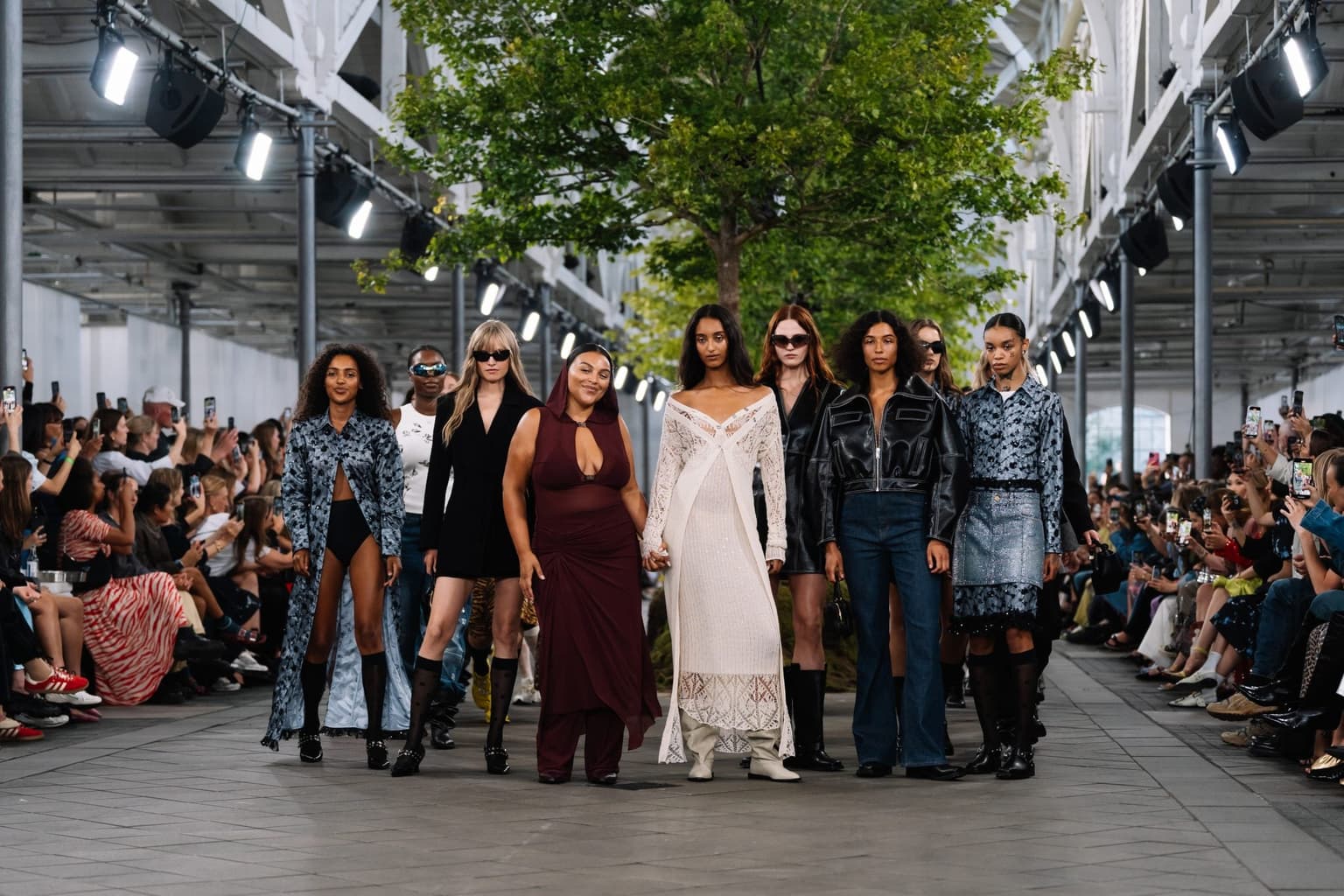
This year for Copenhagen Fashion Week, all shows that were scheduled had to conform to a set of minimum standards set by the fashion week’s governing body.
They needed to champion diversity and equality in each team, especially in management roles. As well as this, each design team needed to inform customers about the value of longevity and at least 50% each collection needed to be from certified, upcycled, recycled or sustainable materials.
Packaging at the events was not allowed to offer single-use plastic and each production was to be zero waste.
When added up, each of these creates a bigger push for a cleaner planet – but will other fashion weeks follow?
Helsinki and Oslo Fashion Weeks have already been implementing similar strategies but when it comes to the 'big four' – London, New York, Paris and Milan – it is a much slower process.
London, New York and Paris have no mention of sustainability initiatives on their website, with Milan being the only exception.
According to Bloomberg, the fashion industry accounts for up to 10% of global Co2 emissions. This is more than international flights and shipping combined.
“Prioritising sustainability in the fashion industry is important for numerous reasons, including reducing environmental impacts, addressing climate change or promoting ethical purchasing practices,” Thorsmark added.
She added that by producing clothing with a greater lifespan, the culture around fashion consumption will change and thus create a healthier relationship between fashion and the environment.
Credit: Getty[/caption]
This year for Copenhagen Fashion Week, all shows that were scheduled had to conform to a set of minimum standards set by the fashion week’s governing body.
They needed to champion diversity and equality in each team, especially in management roles. As well as this, each design team needed to inform customers about the value of longevity and at least 50% each collection needed to be from certified, upcycled, recycled or sustainable materials.
Packaging at the events was not allowed to offer single-use plastic and each production was to be zero waste.
When added up, each of these creates a bigger push for a cleaner planet – but will other fashion weeks follow?
Helsinki and Oslo Fashion Weeks have already been implementing similar strategies but when it comes to the 'big four' – London, New York, Paris and Milan – it is a much slower process.
London, New York and Paris have no mention of sustainability initiatives on their website, with Milan being the only exception.
According to Bloomberg, the fashion industry accounts for up to 10% of global Co2 emissions. This is more than international flights and shipping combined.
“Prioritising sustainability in the fashion industry is important for numerous reasons, including reducing environmental impacts, addressing climate change or promoting ethical purchasing practices,” Thorsmark added.
She added that by producing clothing with a greater lifespan, the culture around fashion consumption will change and thus create a healthier relationship between fashion and the environment.

Fashion
Fashion
Fashion
Fashion
Penneys just dropped the perfect wedding guest co-ord
Andy Anderson, eat your heart out! Penneys has just dropped a stunning and affordable co-ord, perfect for your next wedding. And, as if we weren’t obsessed enough, it gives a modern twist on the iconic look from How to Lose a Guy in 10 Days. If you’ve glanced at your calendar lately, you’ll know the […]
Fashion
2 weeks ago
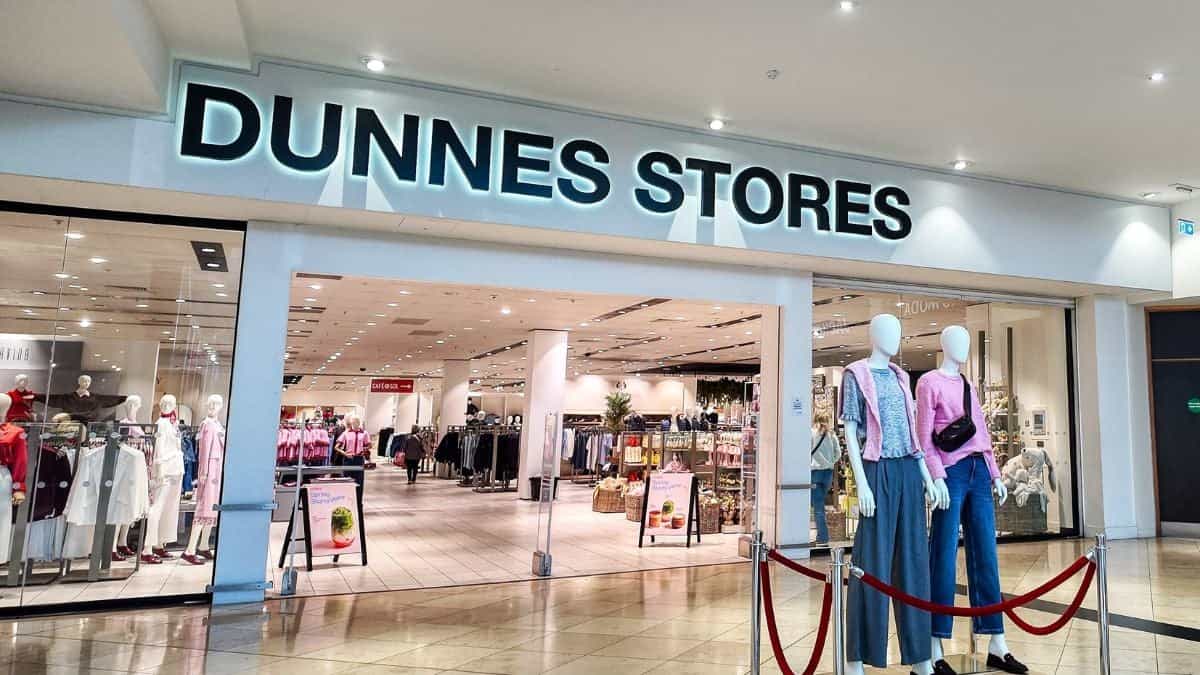
Dunnes Stores shoppers obsessed with Ganni dupe perfect for summer
We’re obsessed with this dress Dunnes Stores fans cannot get enough of this gorgeous Dunnes dress, giving major Ganni vibes! As summer approaches, many of us find ourselves refining our holiday wardrobes. This Dunnes denim dress is the perfect addition. However, you’ll want to be quick if you’re hoping to get your hands on this […]
Fashion
2 weeks ago
Penneys launches ‘flattering’ trendy dress perfect for summer holidays
Fashion