





Food


Share
Published 19:17 10 Aug 2018 BST
Explore more on these topics:
 The study begins by highlighting the World Health Organisation's recommendation that people consume less than 2g of sodium per day as a preventative measure against cardiovascular disease, but notes that this target has yet to be achieved in any country.
The Canadian academics behind the research point to China as an example of especially high salt intake, contrasting that with the UK where intake has fallen from 12g per day on average to around 7 to 8g over the past 30 years.
China, where an average of 12g of sodium is reportedly consumed per person per day, was cited as a hotbed of damaging related effects including high blood pressure and instances of strokes.
However, researchers found that very low levels of salt actually resulted in more heart attacks and deaths, positing that a moderate level of salt intake might achieve a protective balance.
Over 90,000 people in 18 countries were surveyed for the comprehensive study, but it has since attracted controversy.
Scientists who have been fighting hard to reduce salt consumption to as little as possible have slammed the findings.
A previous study conducted by the same team a decade ago was similarly blasted, with its findings rejected by the American Heart Association.
The study begins by highlighting the World Health Organisation's recommendation that people consume less than 2g of sodium per day as a preventative measure against cardiovascular disease, but notes that this target has yet to be achieved in any country.
The Canadian academics behind the research point to China as an example of especially high salt intake, contrasting that with the UK where intake has fallen from 12g per day on average to around 7 to 8g over the past 30 years.
China, where an average of 12g of sodium is reportedly consumed per person per day, was cited as a hotbed of damaging related effects including high blood pressure and instances of strokes.
However, researchers found that very low levels of salt actually resulted in more heart attacks and deaths, positing that a moderate level of salt intake might achieve a protective balance.
Over 90,000 people in 18 countries were surveyed for the comprehensive study, but it has since attracted controversy.
Scientists who have been fighting hard to reduce salt consumption to as little as possible have slammed the findings.
A previous study conducted by the same team a decade ago was similarly blasted, with its findings rejected by the American Heart Association.
Health
health


Food

Food
Food

Food
Doctor issues warning over foods that are ‘worse for you than smoking’
Some listed items might surprise you Next time you’re going to do your weekly shop, there are a few foods that you might want to keep in mind, as a doctor has issued a warning that they’re not good for your health. As a matter of fact, some of these foods are more damaging to […]
Food
3 months ago
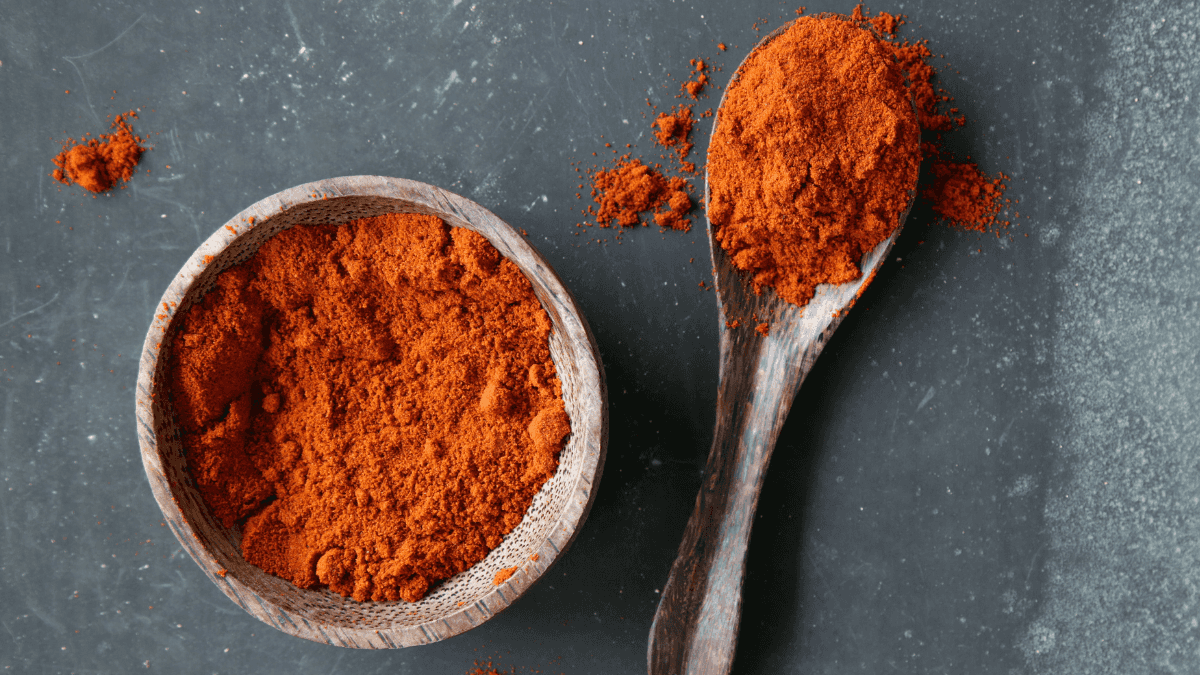
People are only just learning what paprika is made from
It’s a cupboard staple, but do any of us actually know what it’s made from? Paprika is a spice that most of us have stowed away in a kitchen cupboard, and it has grown in popularity over the last few years thanks to it being a common inclusion in many chicken and halloumi recipes on […]
Food
4 months ago

Food
Food