






Food


Share
Published 13:26 31 May 2018 BST
Explore more on these topics:
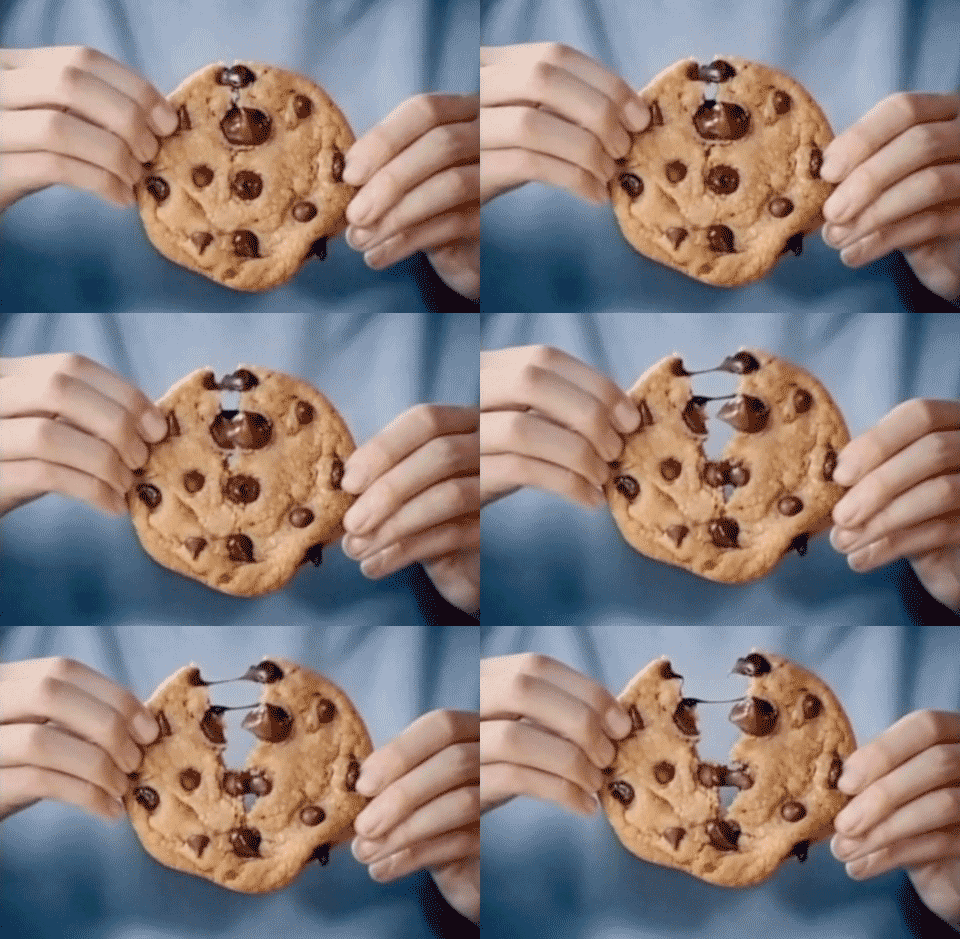 The study was published in the scientific journal Nature, which saw research being carried out on mice. When we eat, the different taste receptors on our tongue send signals to our brain, so lead author of the study Charles Zucker, tried to re-wire the mice, so that their brains would interpret flavours differently.
One experiment they tried was getting the mice to drink plain water. The 'sweet' receptor in the brain was turned on and the mice gulped back the water.
However, when the receptor was switched with a drug to taste 'sour', the mice wouldn't drink the water.
This leads the researchers to believe that the mice get pleasure from sweet food and drink - just like us - and they're likely to consume more sweet things even if they're full or don't need it. But if the 'feel good' part of our brain is switched off when it comes to food, we'll stop overeating sugary and fatty foods.
The study was published in the scientific journal Nature, which saw research being carried out on mice. When we eat, the different taste receptors on our tongue send signals to our brain, so lead author of the study Charles Zucker, tried to re-wire the mice, so that their brains would interpret flavours differently.
One experiment they tried was getting the mice to drink plain water. The 'sweet' receptor in the brain was turned on and the mice gulped back the water.
However, when the receptor was switched with a drug to taste 'sour', the mice wouldn't drink the water.
This leads the researchers to believe that the mice get pleasure from sweet food and drink - just like us - and they're likely to consume more sweet things even if they're full or don't need it. But if the 'feel good' part of our brain is switched off when it comes to food, we'll stop overeating sugary and fatty foods.
Food

Food
Food
Food
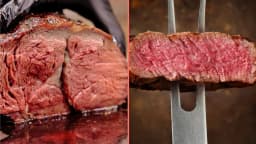
Doctor issues warning over foods that are ‘worse for you than smoking’
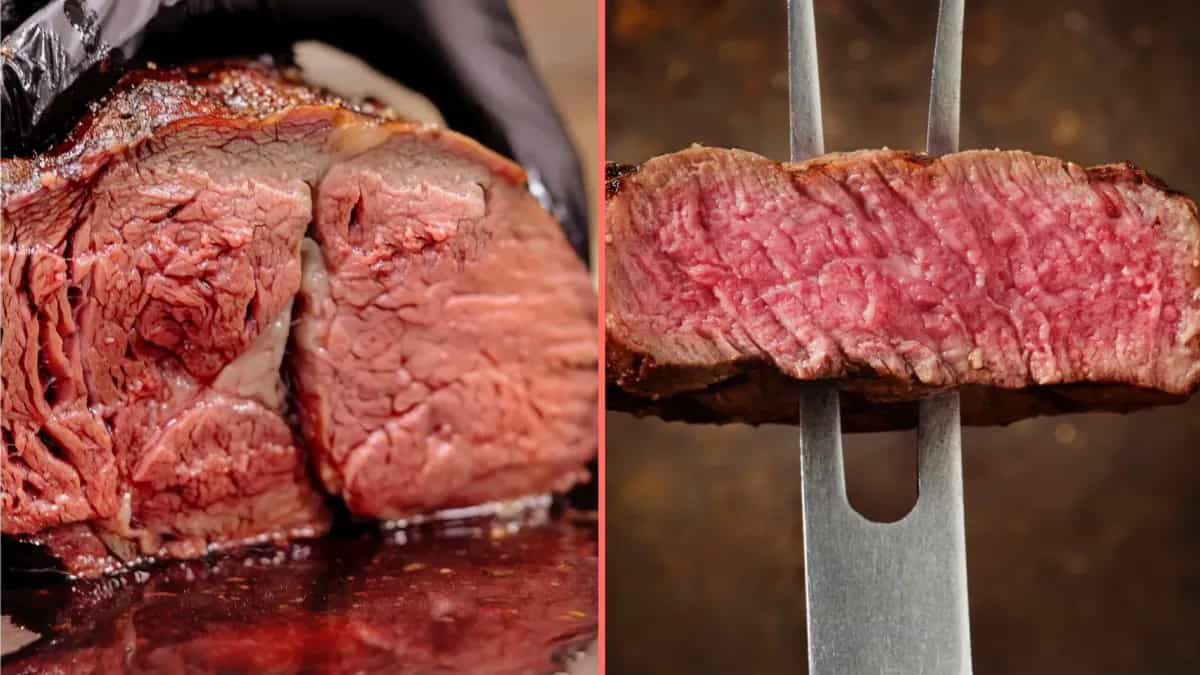
Some listed items might surprise you Next time you’re going to do your weekly shop, there are a few foods that you might want to keep in mind, as a doctor has issued a warning that they’re not good for your health. As a matter of fact, some of these foods are more damaging to […]
Food
2 months ago
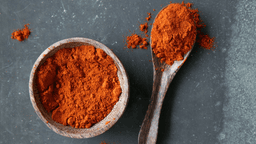
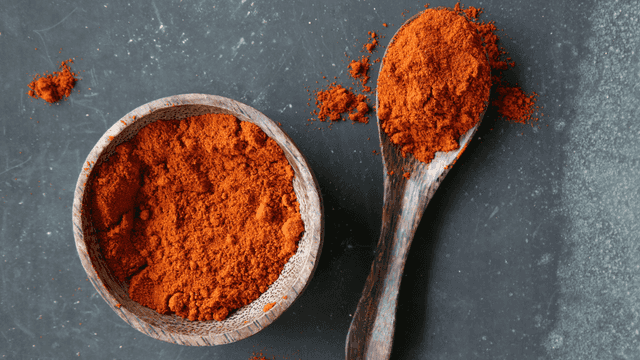
People are only just learning what paprika is made from
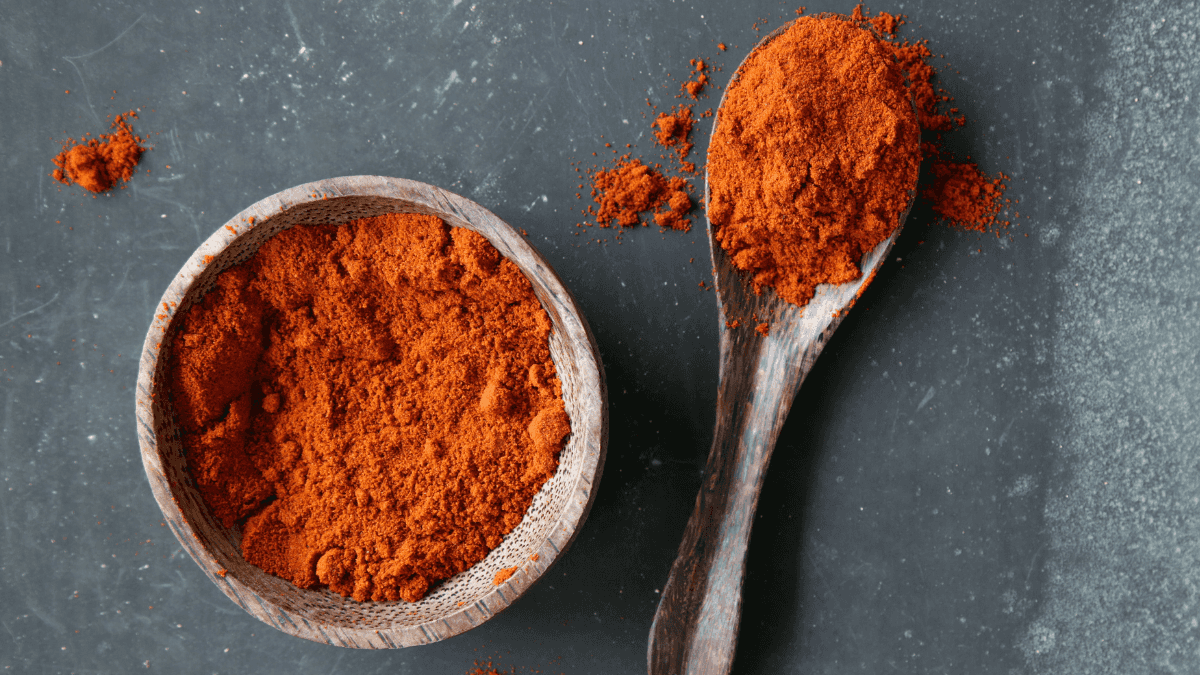
It’s a cupboard staple, but do any of us actually know what it’s made from? Paprika is a spice that most of us have stowed away in a kitchen cupboard, and it has grown in popularity over the last few years thanks to it being a common inclusion in many chicken and halloumi recipes on […]
Food
3 months ago

Food
Food