








News


Share
Published 10:13 12 Jan 2026 GMT
Updated 11:46 12 Jan 2026 GMT
 Add us as a preferred source on Google »
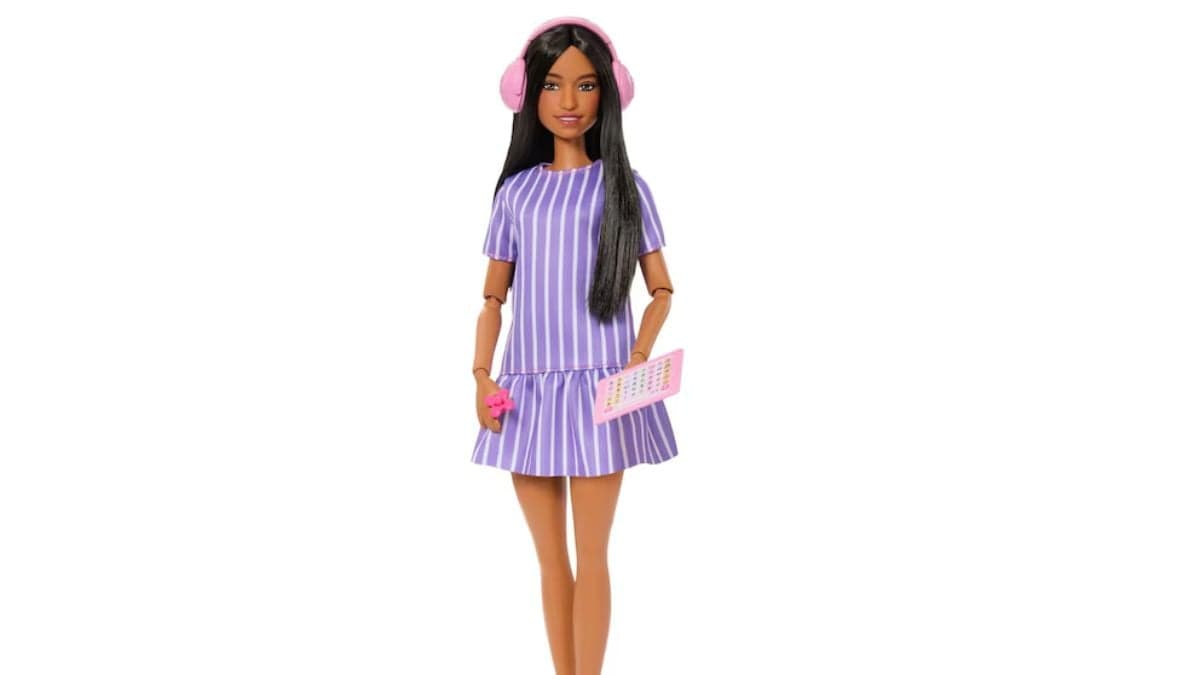
On Monday, Mattel launches its first autistic Barbie, not long after the release of its first doll with type 1 diabetes.
This newest addition to Barbie's Fashionistas range is designed so that more children "see themselves in Barbie", as well as encouraging all children to play with dolls that realistically reflect the world around them.
Autism is a type of neurodivergence that affects how people experience and interact with society.
While autism is a broad spectrum, more than one child in a hundred is believed to be autistic, according to the World Health Organization
The new autistic Barbie is made in collaboration with the US charity the Autistic Self Advocacy Network and is designed to represent some of the ways children cope with autism or the way they experience, process, and communicate with the world.
The Barbie's eyes gaze slightly to one side, showcasing how some autistic people avoid direct eye contact.
In addition, the doll has fully bendable elbows and wrists, warranting repetitive physical movements such as stimming and hand-flapping, which is known to help people with autism to process sensory information or even express excitement.
The new doll will have a pink fidget spinner on her finger, often used by people with autism to help reduce stress, and she wears noise-cancelling headphones, of course, also pink, to reduce sensory overload, as well as carrying a, yes, pink tablet with symbol-based augmentative and alternative communication buttons on its screen to help cope with everyday communication.
To no one's surprise, this Barbie is also a true fashionista, wearing a loose-fitting, purple pinstripe A-line dress with short sleeves and a flowy skirt in an effort to minimise the skin-to-fabric contact. Purple shoes with flat soles top off the look.
Despite the first Barbies dating back to 1959, it wasn't until 2019 that Mattel featured dolls with disabilities.
Today, there are blind dolls, Barbies in wheelchairs, with Down syndrome, prosthetic limbs, vitiligo, and hearing aids.
And it's not just the Barbies, there is also a Ken doll with a prosthetic leg, another who uses a wheelchair with a ramp, and a Ken doll with a hearing aid.
Jamie Cygielman, the global head of dolls at Mattel, announced it was the latest expansion of the company's commitment to representation and inclusion.
“We know some autistic young people are reluctant to use supports such as ear defenders and stim toys at school for fear of standing out, so the more we can normalise these types of visible markers, the better.
“With girls three times less likely than boys to be diagnosed with autism, this toy also shines a light on the experiences of autistic girls, who often slip under the radar,” per The Guardian.
Explore more on these topics:


News

News

News

News
The thrilling new Irish novel you won’t be able to put down
Gill Perdue is back with one of her best books yet If you’re looking for a gripping Irish novel to delve into this week, then look no further than All of Them Lied by Gill Perdue. lkt Gill Perdue is one of the finest Irish crime writers, and we couldn’t be happier to see her […]
News
5 days ago
Signs Charleen Murphy could be heading into the Love Island villa labi e
We’re convinced! Many Fans were left disappointed when Irish influencer Charleen Murphy was missing from the original Love Island line-up ahead of this season. And after the first few “bombshell” arrivals of the season, fans are beginning to lose hope that their favourite content creator will be making an appearance on this year’s show. However, die-hard […]
News
5 days ago

News
Man accused of Parnell Square stabbing pleads not guilty
News