








News


Share
Published 11:45 9 Jul 2025 BST
 Add us as a preferred source on Google »
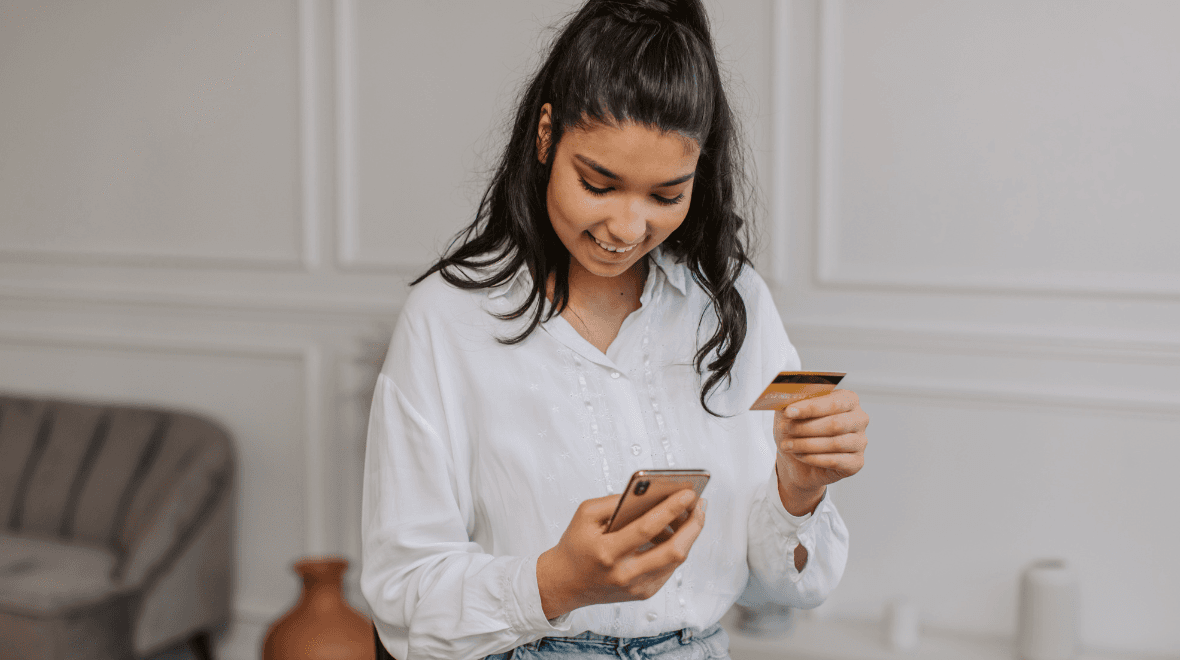
We've been busy swiping up the best Amazon Prime Day deals this week, but shoppers are being urged to look out for scams.
There may be waves of incredible offers available, but many people are being targeted by cybercriminals.
While millions of shoppers prepare to hunt for bargains, cybercriminals are also gearing up, using the shopping event as a prime hunting ground for unsuspecting victims.
Criminals are creating fake Amazon-related websites specifically to target deal-hunting shoppers.
A shopping expert has shared advice with the public to help them avoid these scams.
One of the biggest things to look out for is fake websites.
According to CryptoCasinos.online, fraudsters are setting up fake websites that look like Amazon.
One of the most common Prime Day scams involves fraudulent websites designed to mimic Amazon's appearance.
Scammers register domains with slight misspellings or variations of Amazon's URL, such as “amazom.com” or “amazon-primeday.net.”
These sites often feature stolen Amazon branding and fake product listings with impossibly low prices.
These copycat sites are specifically designed to steal personal and financial information when unsuspecting shoppers attempt to make purchases.
The checkout process appears legitimate, but entering payment details hands sensitive information directly to criminals.
Verification is the first line of defence against Prime Day scams. Always check website URLs carefully before entering any personal information, looking for subtle misspellings or unusual domain extensions. Legitimate Amazon pages will always use amazon.co.uk and amazon.ie.
Shopping directly through Amazon's official website or mobile app provides the safest experience.
Be particularly cautious about sharing personal information. Amazon will never ask for passwords, social security numbers, or full credit card details via email or unsolicited phone calls.
When in doubt, contact Amazon directly through their official customer service channels.

News
News

News

News
Signs Charleen Murphy could be heading into the Love Island villa labi e
We’re convinced! Many Fans were left disappointed when Irish influencer Charleen Murphy was missing from the original Love Island line-up ahead of this season. And after the first few “bombshell” arrivals of the season, fans are beginning to lose hope that their favourite content creator will be making an appearance on this year’s show. However, die-hard […]
News
3 days ago
Vogue Williams reveals new baby’s name is ‘a bit mad’
Even Joanne McNally was ‘a bit taken aback’ In a recent podcast episode, Vogue Williams has admitted the name of her fourth baby is ‘a bit mad’. The Irish TV star announced she is expecting her fourth child with husband Spencer Matthews in an Instagram post in April. View this post on Instagram A post […]
News
3 days ago
Ireland’s tidiest and most littered towns have been revealed
News


