








Sport


Share
Published 14:37 18 Feb 2022 GMT
Updated 15:43 18 Feb 2022 GMT
Explore more on these topics:
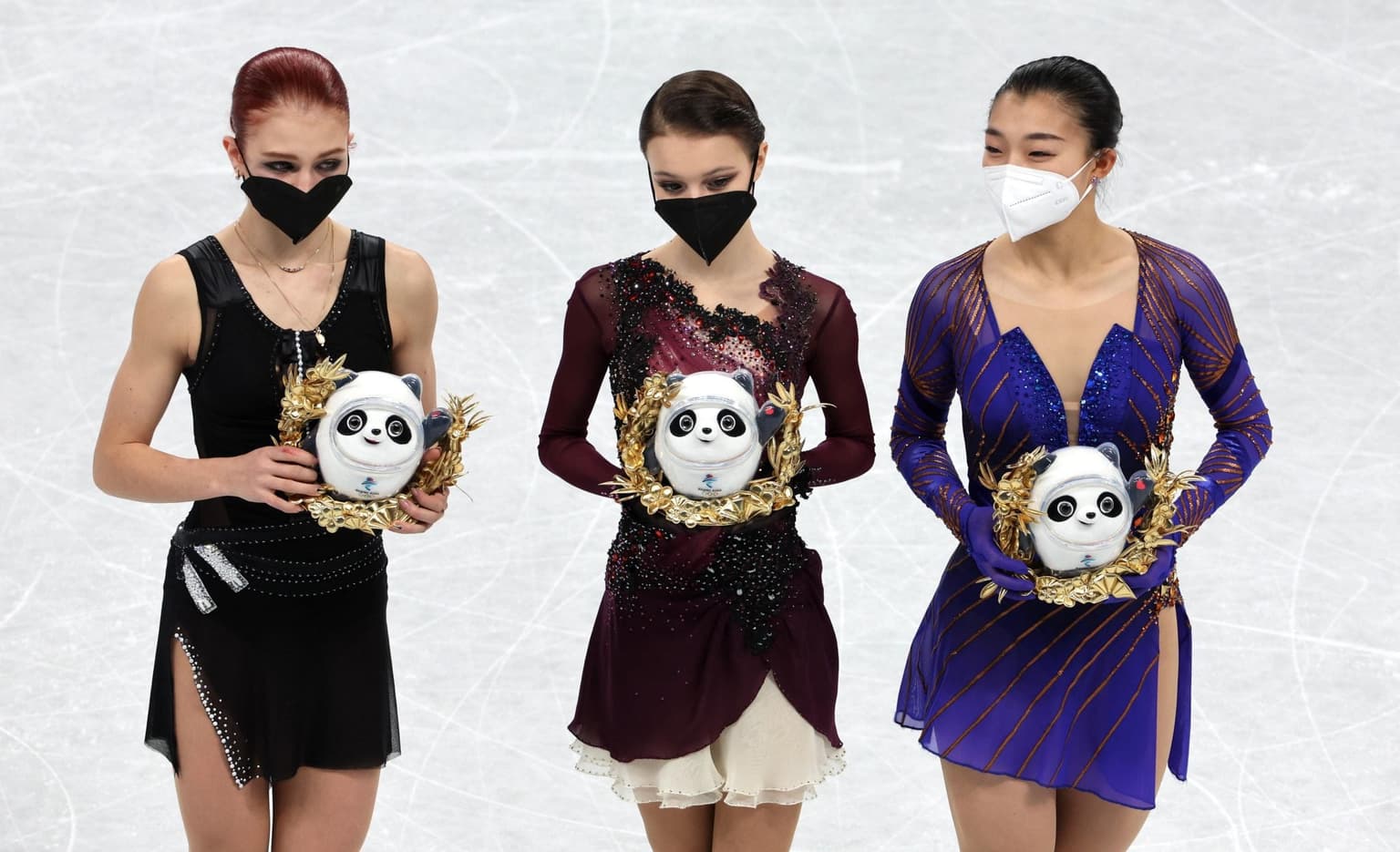
 In the end, Valieva finished in fourth, after falling numerous times during her skate in the women's singles event. The gold and silver medals went to her ROC teammates, Anna Shcherbakova and Alexandra Trusova, respectively, while Kaori Sakamoto won the bronze for Japan.
While the doping scandal surrounding Valieva may seem to have been the defining controversy of the Olympics, the conclusion of the women's singles event demonstrated that it was just the tip of the iceberg. Indeed, the problems surrounding the young athletes go much deeper.
As one coach comforts Valieva, a distraught Trusova can be seen in the background becoming visibly upset. In Russian, the 17-year-old says: "Everyone has a gold medal, everyone, but not me. I hate skating. I hate it. I hate this sport. I will never skate again. Never."
Meanwhile, the gold medalist, Shcherbakova, also 17, sits alone in the press conference area, clutching a stuffed animal, with no one by her side to comfort or congratulate her.
In the end, Valieva finished in fourth, after falling numerous times during her skate in the women's singles event. The gold and silver medals went to her ROC teammates, Anna Shcherbakova and Alexandra Trusova, respectively, while Kaori Sakamoto won the bronze for Japan.
While the doping scandal surrounding Valieva may seem to have been the defining controversy of the Olympics, the conclusion of the women's singles event demonstrated that it was just the tip of the iceberg. Indeed, the problems surrounding the young athletes go much deeper.
As one coach comforts Valieva, a distraught Trusova can be seen in the background becoming visibly upset. In Russian, the 17-year-old says: "Everyone has a gold medal, everyone, but not me. I hate skating. I hate it. I hate this sport. I will never skate again. Never."
Meanwhile, the gold medalist, Shcherbakova, also 17, sits alone in the press conference area, clutching a stuffed animal, with no one by her side to comfort or congratulate her.
 The moment was painful to watch, by all accounts, as the athletes' visible emotional distress offers an insight into the huge pressure they've been put under.
The girls all share the same coach, Eteri Tutberidze, who has become notorious in the figure skating world. Throughout the Olympics, as her child athletes returned to her on the sidelines, sports journalists would voice their hopes that she is offering some supportive words, although, when you consider her reputation, this is wishful thinking.
Eteri is known for coaching young girls in the sport, as their smaller bodies allow them to carry out some of the more difficult technical skills. She talks about her athletes in manufacturing terms. In the past, she's called the children her products. However, as the medalists of figure skating get younger and younger, their careers are also getting shorter. Some skating fans have noted that the 'Eteri girls', as they're known, have "expiry dates", and often retire from the sport before they become adults.
The moment was painful to watch, by all accounts, as the athletes' visible emotional distress offers an insight into the huge pressure they've been put under.
The girls all share the same coach, Eteri Tutberidze, who has become notorious in the figure skating world. Throughout the Olympics, as her child athletes returned to her on the sidelines, sports journalists would voice their hopes that she is offering some supportive words, although, when you consider her reputation, this is wishful thinking.
Eteri is known for coaching young girls in the sport, as their smaller bodies allow them to carry out some of the more difficult technical skills. She talks about her athletes in manufacturing terms. In the past, she's called the children her products. However, as the medalists of figure skating get younger and younger, their careers are also getting shorter. Some skating fans have noted that the 'Eteri girls', as they're known, have "expiry dates", and often retire from the sport before they become adults.
 As well as this lack of longevity, the Eteri girls are put under immense pressure to stay as light as possible. As Slate reports, they are not allowed to even drink water during competitions, and they delay puberty by consuming only powdered nutrients and taking puberty blockers. They are also subject to daily, public weigh-ins, and compete while injured.
While anti-doping measures are an important element in keeping sport fair, the more concerning story to emerge from the 2022 Olympics is the welfare of the athletes. As the sport gets younger and younger, the pressure to master technical feats threatens not only the longevity of women's figure skating generally, but, and more importantly, the lives and the welfare of the literal children that are held up as its stars.
As well as this lack of longevity, the Eteri girls are put under immense pressure to stay as light as possible. As Slate reports, they are not allowed to even drink water during competitions, and they delay puberty by consuming only powdered nutrients and taking puberty blockers. They are also subject to daily, public weigh-ins, and compete while injured.
While anti-doping measures are an important element in keeping sport fair, the more concerning story to emerge from the 2022 Olympics is the welfare of the athletes. As the sport gets younger and younger, the pressure to master technical feats threatens not only the longevity of women's figure skating generally, but, and more importantly, the lives and the welfare of the literal children that are held up as its stars.
Sport
Sport
Sport
Sport
US women’s ice hockey team decline White House invite a day after ‘distasteful’ Trump joke
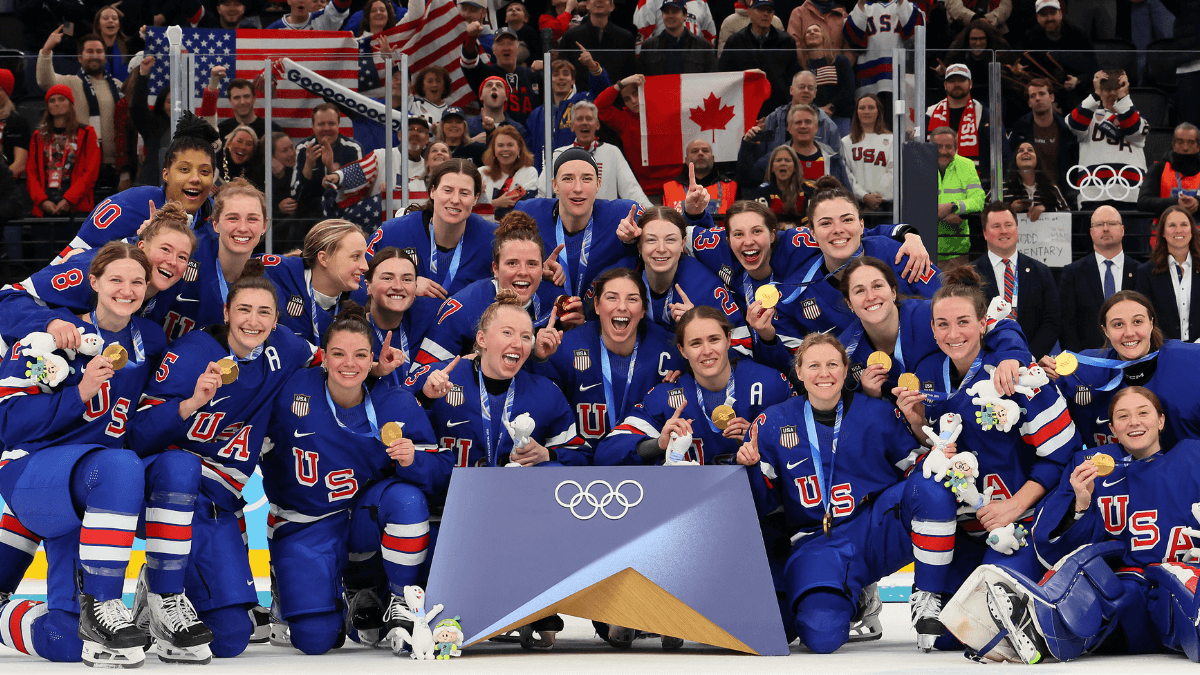
The US team won the gold medal at the Olympics The gold-medal-winning US women’s ice hockey team has rejected Donald Trump’s invite to attend his State of the Union address, one day after he made a distasteful joke about the women’s team. The USA enjoyed their best-ever haul of gold medals at a Winter Olympics, […]
Sport
3 months ago
The one sport in the Winter Olympics which women are not allowed to compete in
It’s the only event without a women’s category While gender parity in the Olympics has come along way in recent years, certain issues across the events in both the Summer and Winter Olympics remain. Women’s versions of events that men already compete in continue to be added, with women’s double luge only making its debut […]
Sport
4 months ago
Former Olympian reveals why athletes have so much sex during the games
Sport