









News


Share
Published 09:13 19 Aug 2025 BST
Updated 12:06 19 Aug 2025 BST
 Add us as a preferred source on Google »
Warning this article contains images some may find distressing.
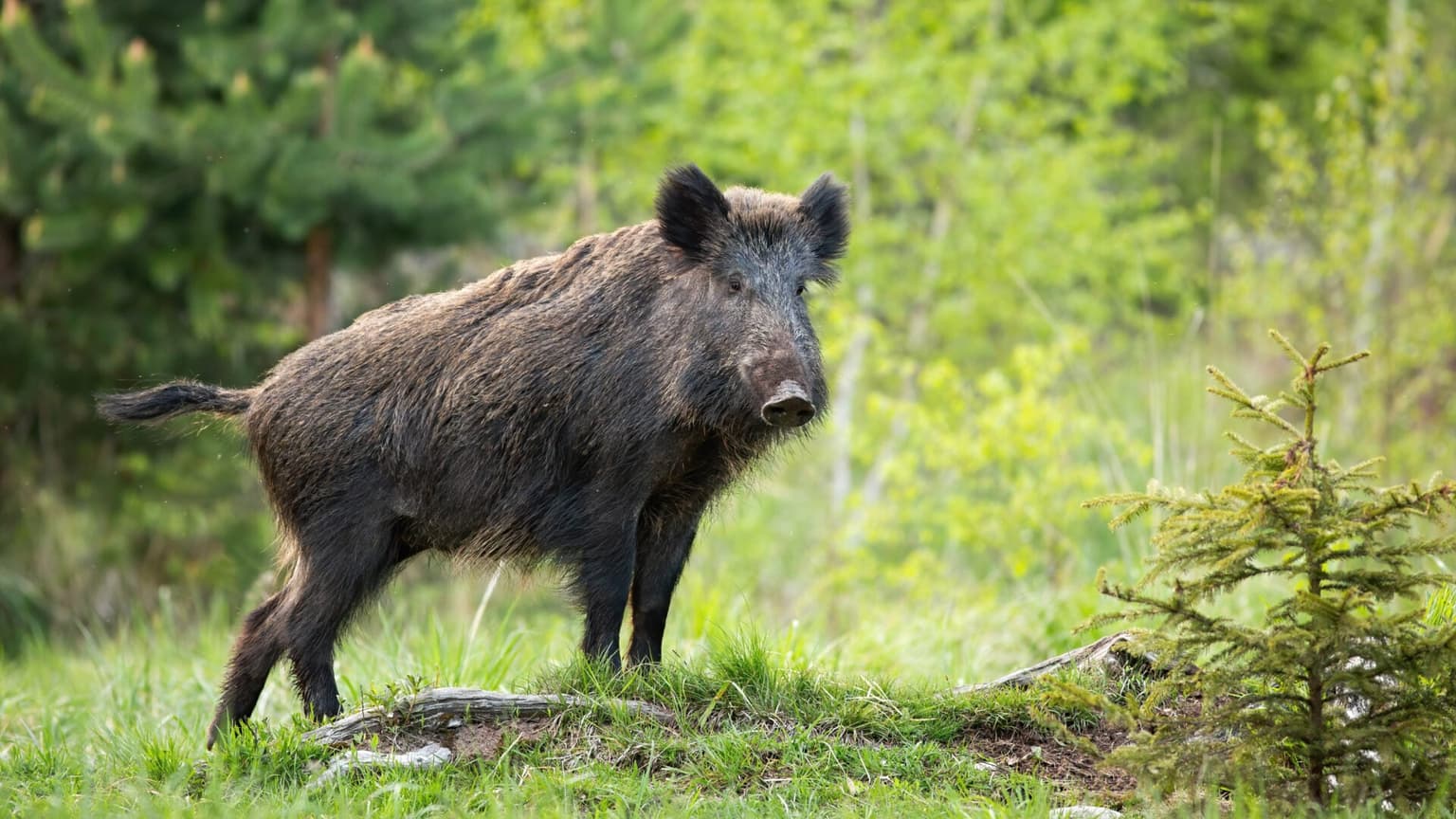
An urgent health warning has been issued in the US state of California after pigs with 'neon blue' flesh were discovered.
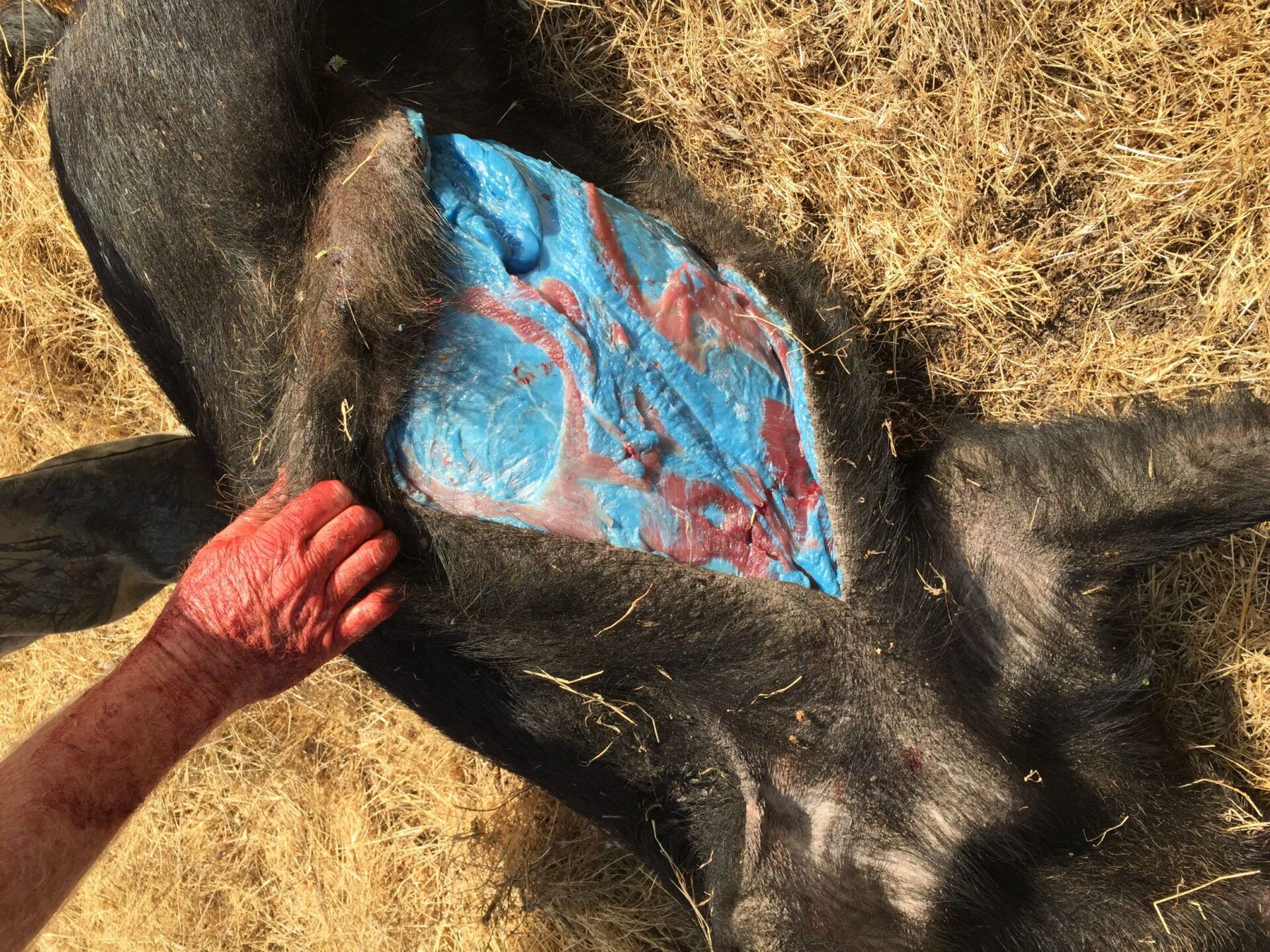
Images of neon blue pigs have been going viral online after a pest controller raised the alarm on the wild animals with images subsequently resurfacing of other examples posted to Imgur by user GlendilTek.
The photos showed a deep, almost alien-like, blue tint to the flesh of the pigs once their skin had been cut open.
Dan Burton, who owns a wildlife control company, was left confused after discovering a pig with blue flesh.
Burton told the Los Angeles Times: "I’m not talking about a little blue, I’m talking about neon blue, blueberry blue."
Despite informing local authorities, it turns out that the phenomenon was already known to some in the area.
In the wake of this, images resurfaced that were posted to Imgur in 2015.
The user wrote on the platform: "So, my in-laws live on a ranch in Morgan Hill, CA and they shot a wild pig on it. They thought it a normal pig until they cut it open.
"Just to clarify since there has been questions they did not start cutting open the pig until they had strapped it to the ATV and driven back home so most of the blood has left the pigs body at this point.
"When they cut into the pig they found that the fat on the pig was a fluorescent blue."
It is believed that the wilds pigs have been turning blue due to exposure to pesticide bait containing the anticoagulant rodenticide diphacinone, as per the California Department of Fish and Wildlife's (CDFW), Wildlife Health Lab (WHL) and the California Animal Health and Food Safety Laboratory.
A common chemical, rodenticide is used to control the population of rats, mice and squirrels and is dyed blue so that the poison stands out.
It is believed that the pigs have eaten this pesticide, dying much of their fat and flesh deep blue.
Experts have warned against eating any pigs with blue flesh (surprise, surprise).
The blue dye indicated traces of the pesticide which is of course poisonous to humans and cannot be cooked out with heat.
"Rodenticide exposure can be a concern for non-target wildlife in areas where applications occur in close proximity to wildlife habitat."
Explore more on these topics:

News

News

News

News
Dáil passes abortion bill to remove mandatory three-day waiting period
Government officials voted on the abortion bill last night. Irish politicians have voted in favour of removing the three-day waiting period for an abortion. The vote was completed in the Dáil last night, and the Sinn Féin bill was passed by 86 votes to 70. In Ireland, there is currently a three-day waiting period between […]
News
2 days ago
Love Island fans can’t get enough of Fitzy’s iconic Irish phrase
It’s definitely a fan favourite! Viewers cannot get enough of Fitzy’s Irish lingo on the show, and his most recent comment has left fans wanting more. The GAA star, who is currently coupled up with police detective, Lola Deal, offered his mate Tommy Murphy some thoughtful advice after his actions left his partner Ellie ‘fuming’. […]
News
4 days ago

News
Online shopping is about to become more expensive in Ireland – here’s what you need to know
News