


Business


Share
Published 20:49 24 Apr 2016 BST
Updated 14:54 25 Jan 2017 GMT
Explore more on these topics:
 PhD student Mya Le Thai and her lab colleagues had the breakthrough while researching nanowires - highly conducive materials that are thousands of times thinner than a human hair and which are a key component of batteries.
Just for the hell of it, Le Thai started coating a nanowire in a manganese dioxide gel shell, and...well, let's turn the explanation over to Reginald Penner, chairman of UCI's chemistry department. He said:
PhD student Mya Le Thai and her lab colleagues had the breakthrough while researching nanowires - highly conducive materials that are thousands of times thinner than a human hair and which are a key component of batteries.
Just for the hell of it, Le Thai started coating a nanowire in a manganese dioxide gel shell, and...well, let's turn the explanation over to Reginald Penner, chairman of UCI's chemistry department. He said:
https://twitter.com/YasminJasso/status/719514641466982402 The team then went on to test the new type of battery over 200,000 times over a three-month period and no loss of capacity or power was reported. "This research proves that a nanowire-based battery electrode can have a long lifetime and that we can make these kinds of batteries a reality," Le Thai explained. https://twitter.com/Tweet_Dec/status/714041278942437376 What this means is that it's now possible for Le Thai's discovery to be applied to commercial batteries - like those in our favourite devices. https://twitter.com/kaepora/status/724189618006949889 IMAGINE?! Over to you Apple and Samsung!"She discovered that just by using this gel she could cycle it hundreds of thousands of times without losing any capacity. That was crazy, because these things typically die in dramatic fashion after 5,000 or 6,000 or 7,000 cycles at most."

Business
business
Business
Business

Business
Business
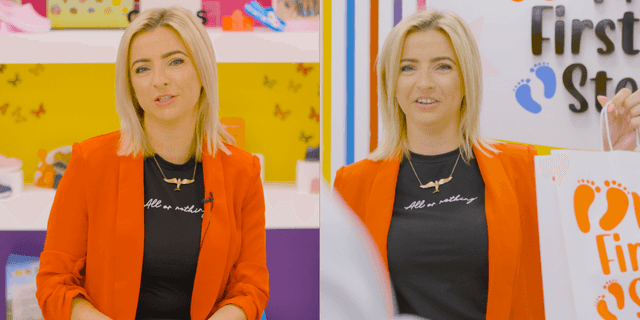
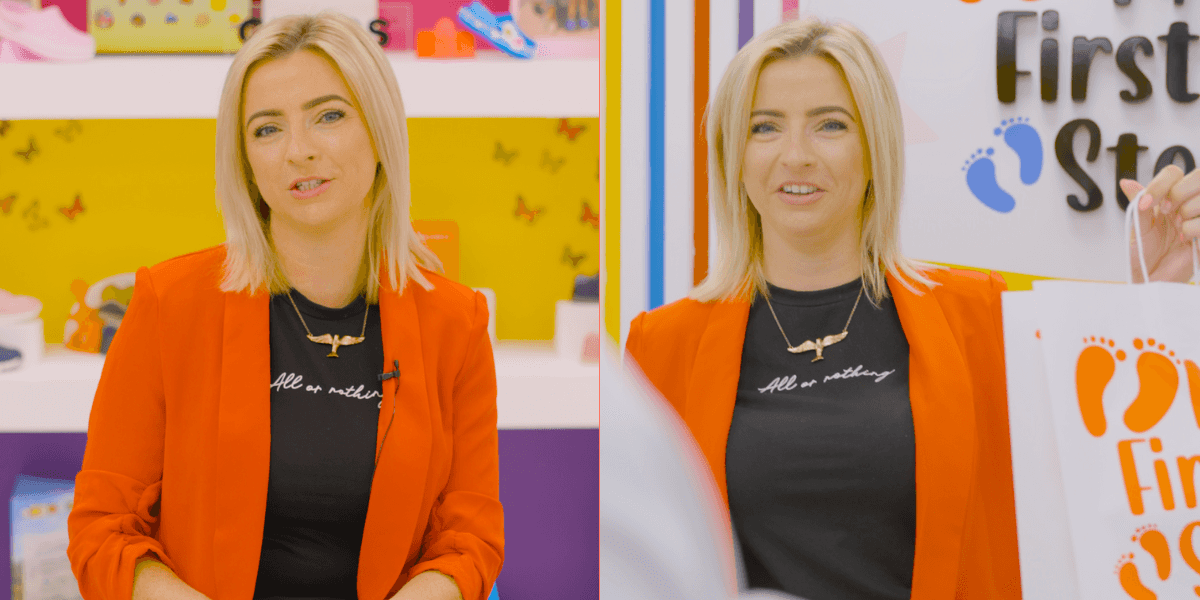
My First Steps’ Alison McGrath on how a disappointing shoe shopping experience inspired her to start her own business
Brought to you by Visa. As Visa’s She’s Next Grant Programme opens for applications, we caught up with Alison McGrath, one of last year’s winners. Ireland is home to so many incredible women-owned businesses, and one programme that is platforming these inspiring entrepreneurs is Visa’s She’s Next Grant Programme. The programme offers these entrepreneurs the […]
Business
1 year ago
Transform your business with a €10,000 grant and one year’s business coaching
In paid partnership with Visa. An incredible opportunity awaits Irish business owners. At Her, we make no secret of our love for independent businesses, and we’re particularly proud to back women-led companies. However, we also know that when starting off it’s not always easy. Securing funding can seem daunting, and it might be tricky to […]
Business
3 years ago
Business
Business