Experts have predicted that one in two people will develop a form of cancer at some point in their lives.
According to new research by Cancer Research UK, previous estimations that cancer will affect over one in three people were underestimated.
They also acknowledged though that due to medical advances and earlier detection, more people are now surviving cancer.
Contributing factors to the new statistics include the fact that we are now living longer and changes in lifestyle.
As a result to these changes, the risk is more likely for people born after 1960.
“Cancer is primarily a disease of old age, with more than 60 per cent of all cases diagnosed in people aged over 65,” said Professor Peter Sasieni, cancer specialist. “If people live long enough then most will get cancer at some point.
“But there’s a lot we can do to make it less likely – like giving up smoking, being more active, drinking less alcohol and maintaining a healthy weight.”
It was also noted that the risk varies in regards to age, diet, weight, genetics and lifestyle factors.
The increase in obesity rates is also attributed to the new statistics, along with the increase in sunbathing and the use of sunbeds.
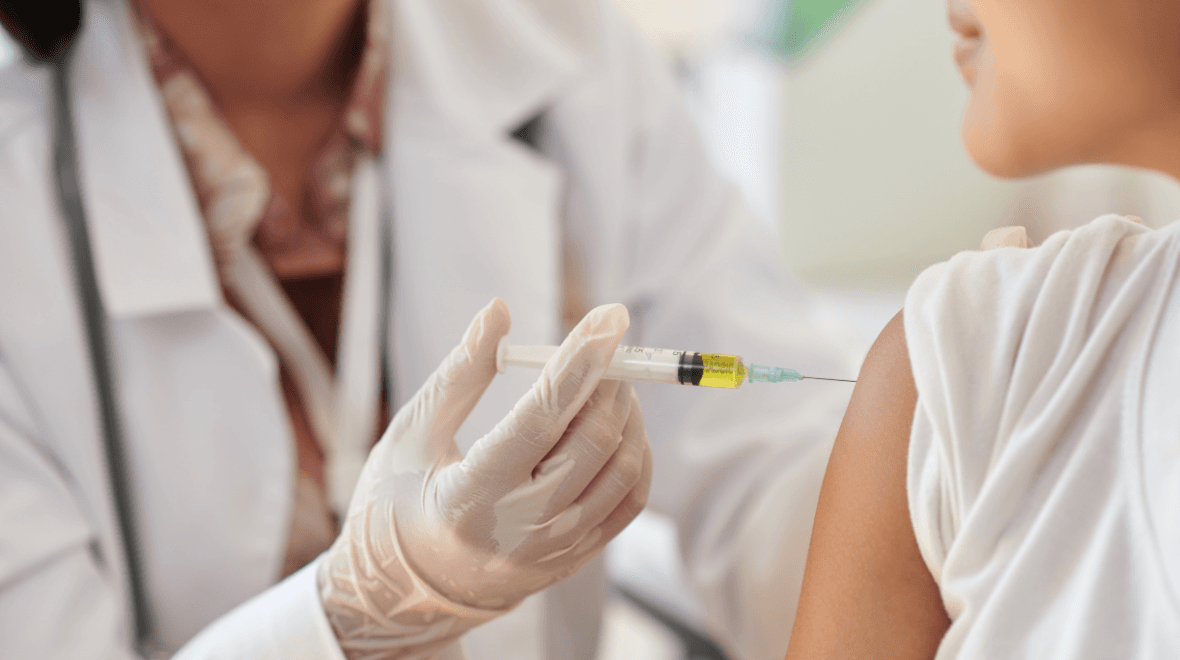
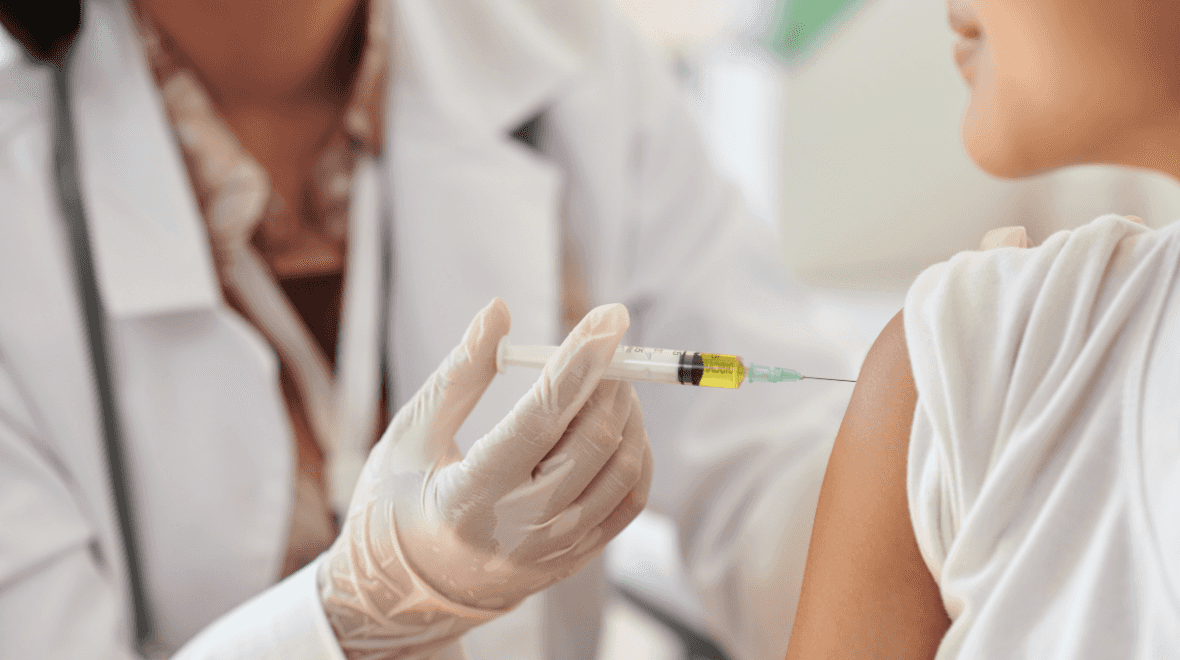
New studies have found that the HPV vaccine has saved hundreds of lives from cervical cancer. New research has found that children who were vaccinated at age 12-13 against HPV have a ‘close to zero’ risk of dying from cervical cancer before age 30. The study, the first of its kind, showed that cervical cancer […]
This Spotlight Oral Care offer is one you can’t miss out on As much as I’d love to fly over and back to America to stock up on all the beauty essentials in Target, it just isn’t sustainable or affordable. We’ve been searching high and low to find something as good as the Crest whitening […]
Endometriosis impacts one in 10 women in Ireland For thousands of women across the globe, getting an endometriosis diagnosis can take several years of scans, appointments and invasive surgeries. However, researchers at Oxford University have developed a new scan technique which may help spot the lifelong condition sooner. The technique uses specialised CT scans, which […]