








Health


Share
Published 12:55 14 May 2026 BST
Updated 13:42 14 May 2026 BST
 Add us as a preferred source on Google »
You may have heard that polycystic ovary syndrome (PCOS) has officially been renamed.
This comes after a 14 year battle, and a global push to improve diagnosis and treatment of the condition. It will now be known as polyendocrine metabolic ovarian syndrome (PMOS).
The new name was announced in medical journal The Lancet earlier this week, and will be officially implemented in 2028. According to the World Health Organisation, PCOS/PMOS affects an estimated 10 to 13% of women. In Ireland, it is estimated that 10-20% of women may have the condition.
Here’s everything you need to know about PCOS/PMOS, and why the name change was necessary.
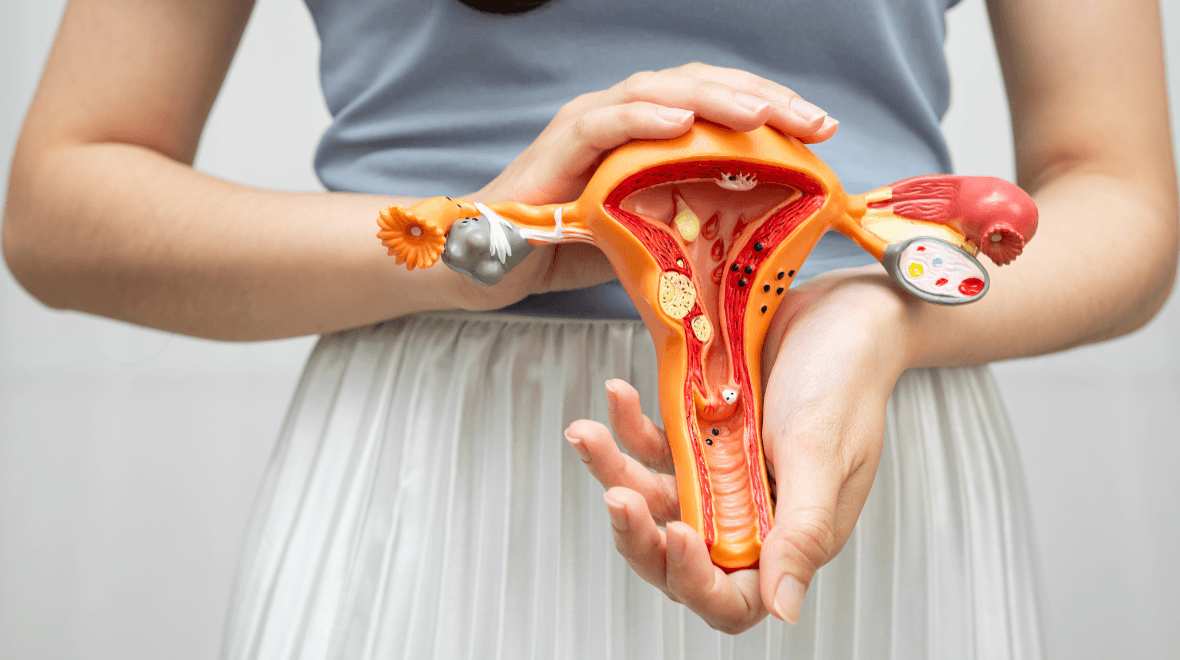
PCOS/PMOS is a complex hormonal condition, that can impact the body's reproductive and metabolic systems. Many women with PCOS/PMOS have high levels of insulin and/or androgens, which are male-type hormones. For some women, the condition can run in their family.
Symptoms of PCOS/PMOS will typically appear in a woman's late teens or early twenties. These symptoms can be varied, and the severity of the condition will be different for everyone. According to the HSE, the most common symptoms can include irregular periods, excess hair growth on the body or face, weight gain and acne.
Polycystic ovaries are another symptom of PCOS/PMOS. However, contrary to the name, having polycystic ovaries does not mean that women with the condition have ovarian cysts. These ovaries are just slightly larger than normal, and contain a large amount of follicles, which are small fluid-filled sacs that release eggs during ovulation. You can have polycystic ovaries without PCOS/PMOS.
To be diagnosed with the condition in Ireland, you must have two of the following three symptoms:
For years, many people have believed that the name 'polycystic ovary syndrome' is misleading. Experts have said that the term 'polycystic' has contributed to delayed diagnosis of the condition, and that it causes confusion between polycystic ovaries and ovarian cysts. It's possible to have the condition even without having polycystic ovaries.
Explore more on these topics:
At the European Congress of Endocrinology in Prague, Professor Helen Teede, who led the cause to change the name, stated that the term PCOS didn’t properly explain the "multi-system burden that people with this condition have suffered”. Experts including Teede believe that the new name better emphasises PMOS as a hormonal disorder that can affect women's metabolism, and can increase risk of other health conditions such as diabetes and cardiovascular disease.

Health


Health

Health
Health
The dental kit that rivals Crest whitening strips is on offer for a limited time
This Spotlight Oral Care offer is one you can’t miss out on As much as I’d love to fly over and back to America to stock up on all the beauty essentials in Target, it just isn’t sustainable or affordable. We’ve been searching high and low to find something as good as the Crest whitening […]
Health
2 weeks ago
New scan technology could reduce diagnostic time for endometriosis
Endometriosis impacts one in 10 women in Ireland For thousands of women across the globe, getting an endometriosis diagnosis can take several years of scans, appointments and invasive surgeries. However, researchers at Oxford University have developed a new scan technique which may help spot the lifelong condition sooner. The technique uses specialised CT scans, which […]
Health
3 weeks ago

Health
People praise fitness app that helps you lose weight ‘without changing your lifestyle’
Health