









Health


Share
Published 14:35 20 Jan 2020 GMT
Explore more on these topics:
 “This scheme will deal with those problems so young people can go about their daily lives without getting caught out.”
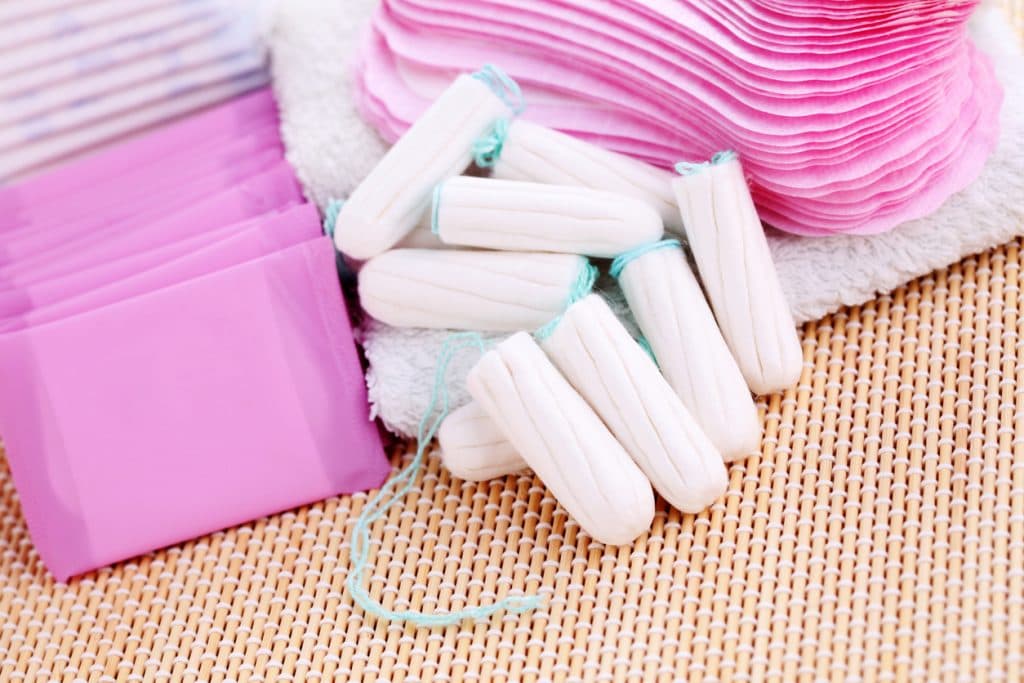
A 2017 study by Plan International found that 10 percent of women and girls aged between 14-21 cannot afford sanitary products like pads and tampons.
Similar, 15 percent of the same group had struggled to afford the products in the past.
Almost half those surveyed said that getting their period was a source of embarrassment for them.
Scotland became the first country to make free sanitary products available to all students in 2018. Wales made the change in the following year.
England's new programme will be rolled out to 20,000 schools next week.
“This scheme will deal with those problems so young people can go about their daily lives without getting caught out.”
A 2017 study by Plan International found that 10 percent of women and girls aged between 14-21 cannot afford sanitary products like pads and tampons.
Similar, 15 percent of the same group had struggled to afford the products in the past.
Almost half those surveyed said that getting their period was a source of embarrassment for them.
Scotland became the first country to make free sanitary products available to all students in 2018. Wales made the change in the following year.
England's new programme will be rolled out to 20,000 schools next week.
Health

Health

Health

Health
New scan technology could reduce diagnostic time for endometriosis
Endometriosis impacts one in 10 women in Ireland For thousands of women across the globe, getting an endometriosis diagnosis can take several years of scans, appointments and invasive surgeries. However, researchers at Oxford University have developed a new scan technique which may help spot the lifelong condition sooner. The technique uses specialised CT scans, which […]
Health
2 weeks ago
Doctor warns that new Gen-Z anti-sunscreen trend could be deadly
A doctor is warning against this anti-sunscreen TikTok trend that Gen-Z are hopping on A concerning anti-sunscreen trend sees the younger generation encouraging others to ditch sun cream and instead opt for natural alternatives or go without any protection against the sun at all. The hashtag #antisunscreen has been doing the rounds with many “wellness […]
Health
2 weeks ago
Health
Health