








Health

Explore more on these topics:
 The copper IUD/non-hormonal coil
The contraceptive IUD (intrauterine device) is a small plastic and copper device that is inserted into your womb. It is quite like the aforementioned IUS coil, however it does not release the hormone progestogen but instead, releases copper.
The copper released changes the make-up of fluids in the womb which stops sperm surviving.
IUDs are more than 99% effective, and can be be used for up to 10 years depending on the type. Ideally the IUD should be inserted between days 4 to 12 of your normal menstrual cycle.
The contraceptive injection
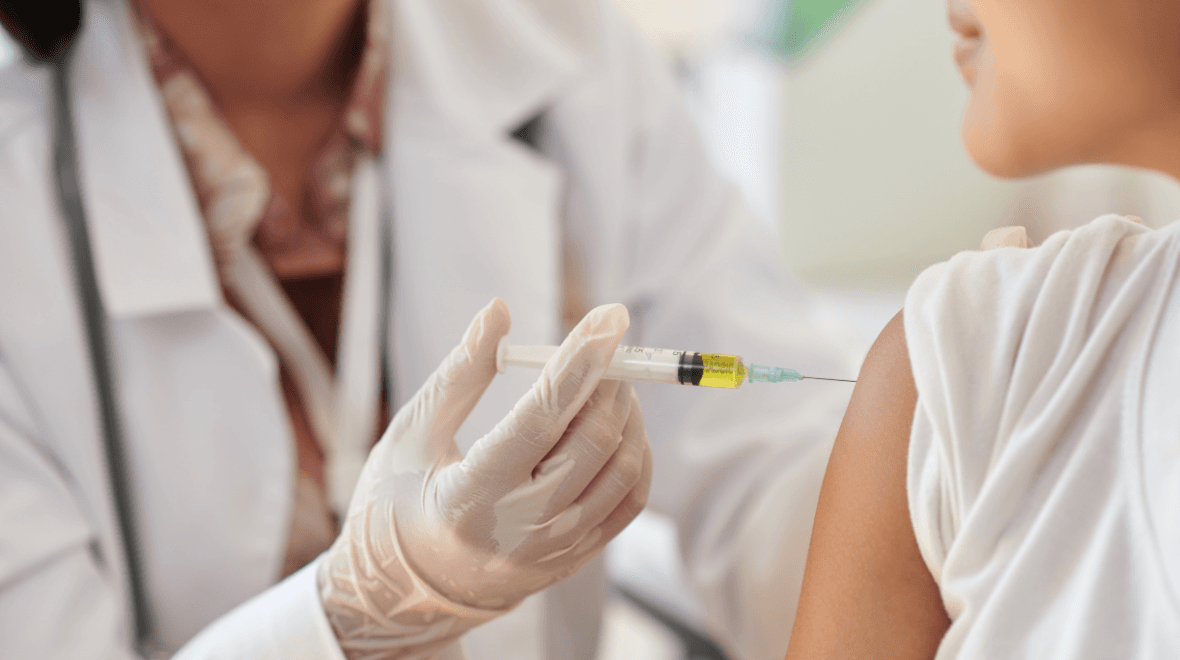
With a failure rate of less than 1 per cent, the injection is very effective form of contraception, and it's suitable for women who want a long-term solution. The injection lasts for three months and it's administered by a doctor or a nurse. However, failure rate may rise if you are late getting your injections.
How does it work? The injection contains a progestogen hormone that is injected into the muscle (usually your bum!) before being gradually released into the bloodstream. It stops the release of the egg from the ovary and helps to stop sperm getting through to fertilise the egg. It also makes the lining of the womb thinner which makes it unlikely for a fertilised egg to implant in the womb.
The copper IUD/non-hormonal coil
The contraceptive IUD (intrauterine device) is a small plastic and copper device that is inserted into your womb. It is quite like the aforementioned IUS coil, however it does not release the hormone progestogen but instead, releases copper.
The copper released changes the make-up of fluids in the womb which stops sperm surviving.
IUDs are more than 99% effective, and can be be used for up to 10 years depending on the type. Ideally the IUD should be inserted between days 4 to 12 of your normal menstrual cycle.
The contraceptive injection
With a failure rate of less than 1 per cent, the injection is very effective form of contraception, and it's suitable for women who want a long-term solution. The injection lasts for three months and it's administered by a doctor or a nurse. However, failure rate may rise if you are late getting your injections.
How does it work? The injection contains a progestogen hormone that is injected into the muscle (usually your bum!) before being gradually released into the bloodstream. It stops the release of the egg from the ovary and helps to stop sperm getting through to fertilise the egg. It also makes the lining of the womb thinner which makes it unlikely for a fertilised egg to implant in the womb.
 The contraceptive implant
 is a flexible plastic rod (about the size of a matchstick) that is inserted under the skin. It is implanted into the inner side of your upper arm between day one to five of your period.
The implant, which lasts for three years, works by releasing a low dose of the hormone progesterone every day, which prevents pregnancy by stopping you from ovulating.
It is believed that the failure rate of the implant is about 0.03% - in other words, there is a one in 3,000 chance of getting pregnant.
The contraceptive implant
The contraceptive implant is a flexible plastic rod (about the size of a matchstick) that is inserted under the skin. It is implanted into the inner side of your upper arm between day one to five of your period.
The implant, which lasts for three years, works by releasing a low dose of the hormone progesterone every day, which prevents pregnancy by stopping you from ovulating.
It is believed that the failure rate of the implant is about 0.03% - in other words, there is a one in 3,000 chance of getting pregnant.
 It's important to note that condoms are the only form of contraception that protect against sexually transmitted infections.
For information about finding the right contraception for you, you can check out mycontraception.ie for more details on all of these forms of contraception. Or to take part in their Valentine's Day survey, click here.
Make sure to book an appointment with your GP to discuss all of your options and find that perfect match for you.
#YourPerfectMatch is an educational campaign sponsored by Bayer.
https://www.youtube.com/watch?v=l2AxaFYfZ3o
L.IE.WH.01.2015.0301
It's important to note that condoms are the only form of contraception that protect against sexually transmitted infections.
For information about finding the right contraception for you, you can check out mycontraception.ie for more details on all of these forms of contraception. Or to take part in their Valentine's Day survey, click here.
Make sure to book an appointment with your GP to discuss all of your options and find that perfect match for you.
#YourPerfectMatch is an educational campaign sponsored by Bayer.
https://www.youtube.com/watch?v=l2AxaFYfZ3o
L.IE.WH.01.2015.0301
Health


Health

Health
Health
The dental kit that rivals Crest whitening strips is on offer for a limited time
This Spotlight Oral Care offer is one you can’t miss out on As much as I’d love to fly over and back to America to stock up on all the beauty essentials in Target, it just isn’t sustainable or affordable. We’ve been searching high and low to find something as good as the Crest whitening […]
Health
3 weeks ago
New scan technology could reduce diagnostic time for endometriosis
Endometriosis impacts one in 10 women in Ireland For thousands of women across the globe, getting an endometriosis diagnosis can take several years of scans, appointments and invasive surgeries. However, researchers at Oxford University have developed a new scan technique which may help spot the lifelong condition sooner. The technique uses specialised CT scans, which […]
Health
1 month ago

Health
Health