









Health


Share
Published 16:34 24 May 2024 BST
Updated 16:46 24 May 2024 BST
 Add us as a preferred source on Google »
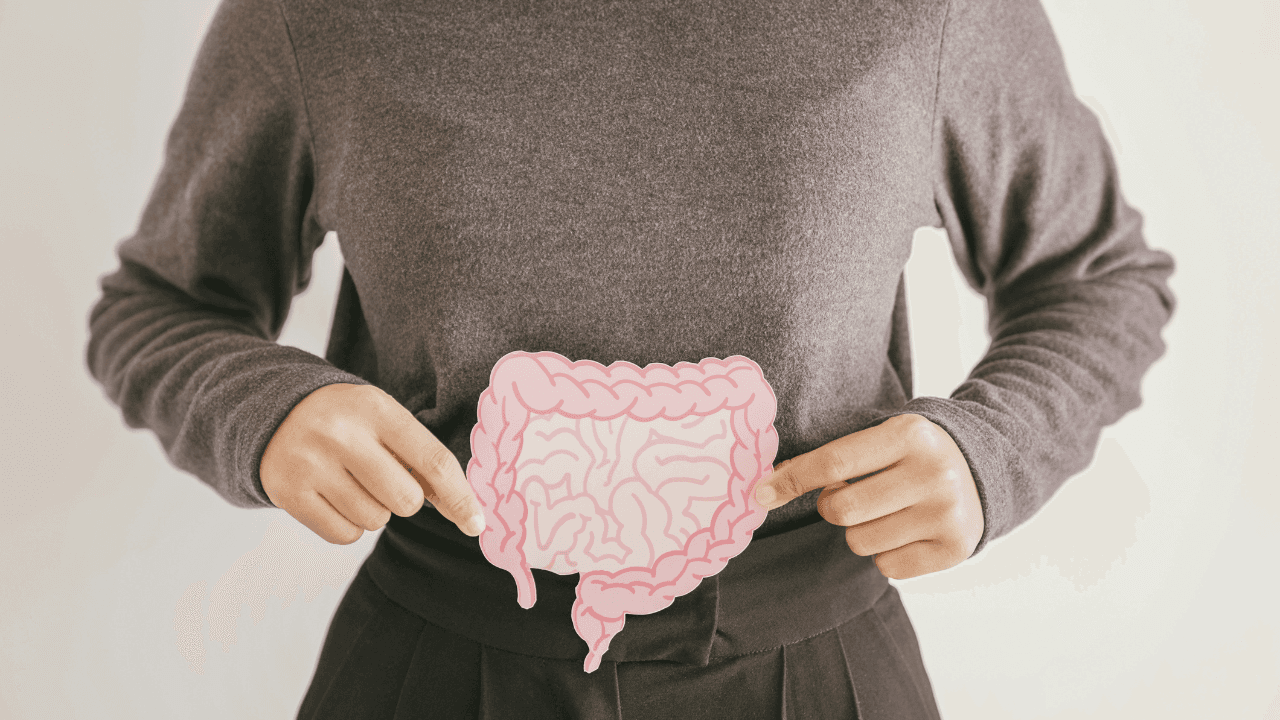
The gut, often referred to as the "second brain," plays a pivotal role in overall well-being, and this is particularly true for women.
Understanding the connection between gut health and various aspects of women’s health can empower us to make informed decisions about our lifestyle and diet.
The gut microbiome is a complex community of trillions of bacteria, fungi, and other microorganisms living in the digestive tract.
These microorganisms actively contribute to lots of bodily functions.
A balanced gut microbiome is crucial for digestion, nutrient absorption, immune function, and even mental health.
For women, maintaining a healthy gut can prevent common digestive issues such as bloating, constipation, and irritable bowel syndrome (IBS).
Women are more prone to IBS, with a prevalence rate double that of men.
A diet rich in fibre, probiotics, and prebiotics can promote a healthy gut microbiome, alleviating these uncomfortable symptoms.
The gut microbiome also influences hormonal balance.
Estrogen, a key hormone in women’s health, is partially regulated by gut bacteria.
These bacteria are involved in the enterohepatic circulation of estrogen, meaning they help process and recycle estrogen within the body.
An imbalanced gut can lead to improper estrogen metabolism, contributing to conditions like PMS, PCOS, and even infertility.
A significant portion of the immune system resides in the gut.
Healthy gut bacteria stimulate the immune system, helping the body fend off infections and illnesses.
For women, this is particularly important as hormonal fluctuations throughout life can impact immune function.
A robust gut microbiome can mitigate these effects, enhancing overall immune resilience.
The gut-brain axis, the communication network linking the gut and the brain, is crucial for mental health.
Women are twice as likely to suffer from anxiety and depression compared to men.
The gut produces neurotransmitters like serotonin, often dubbed the "feel-good" hormone.
A healthy gut microbiome can help regulate mood and reduce symptoms of anxiety and depression, promoting mental well-being.
Gut health also plays a role in weight management. An imbalance in gut bacteria can affect metabolism and lead to weight gain.
Women, who often experience weight fluctuations due to hormonal changes, can benefit from a healthy gut to maintain a stable weight.
Incorporating a balanced diet rich in diverse, fiber-rich foods can foster a healthy gut microbiome, aiding in weight control.
Understanding the importance of gut health and its far-reaching effects on women’s health is crucial.
By prioritising a healthy diet, regular exercise, and stress management, women can maintain a balanced gut microbiome.
This in turn supports digestive health, hormonal balance, immune function, mental well-being, and weight management, contributing to overall health.
Explore more on these topics:

Health


Health

Health
Health
The dental kit that rivals Crest whitening strips is on offer for a limited time
This Spotlight Oral Care offer is one you can’t miss out on As much as I’d love to fly over and back to America to stock up on all the beauty essentials in Target, it just isn’t sustainable or affordable. We’ve been searching high and low to find something as good as the Crest whitening […]
Health
2 weeks ago
New scan technology could reduce diagnostic time for endometriosis
Endometriosis impacts one in 10 women in Ireland For thousands of women across the globe, getting an endometriosis diagnosis can take several years of scans, appointments and invasive surgeries. However, researchers at Oxford University have developed a new scan technique which may help spot the lifelong condition sooner. The technique uses specialised CT scans, which […]
Health
3 weeks ago

Health
Health