



Celebrity


Share
Published 15:55 4 Nov 2022 GMT
Updated 16:02 4 Nov 2022 GMT
Explore more on these topics:
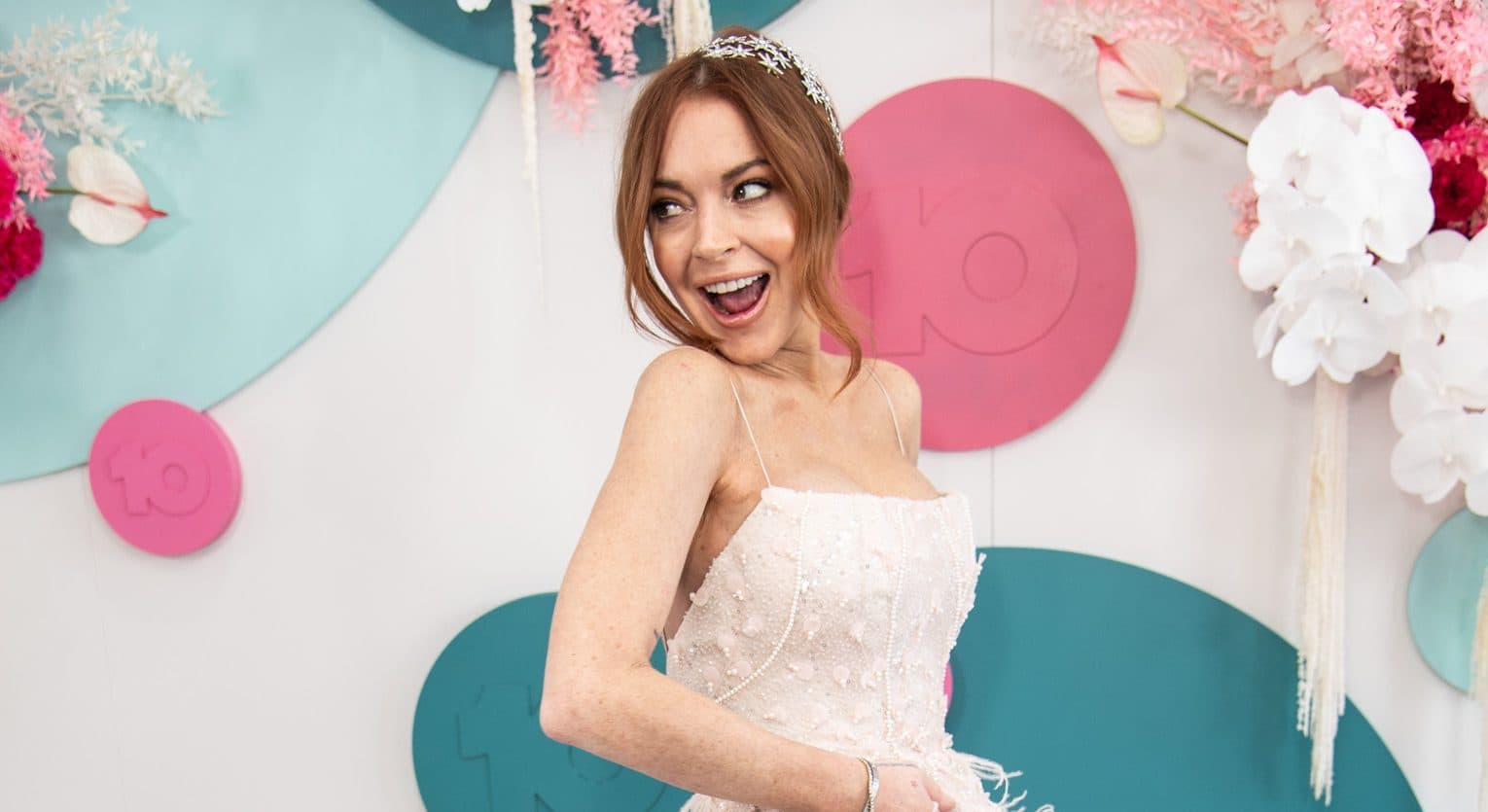
 It's understandable why Lindsay may feel this way. In the early to mid 2000s, paparazzi followed Lindsay everywhere she went. Her mugshots appeared in magazines and tabloids published photos in which she appeared to be unconscious in a car.
These days, we're dealing with a very different celebrity culture, thanks, in a large part, to the ubiquity of social media. The biggest stars of today – the Kardashians, Selena Gomez, Gia Hadid – are meticulous when it comes to their Instagram grid. Their social pages are not only used to make money, but to centralise their fans and share content – photos or life updates – directly with them, and on their own terms.
https://www.instagram.com/p/CkJssH3SvtG/
This isn't to say that the paparazzi have vanished – their invasive presence prevails – but their powers have been weakened. The reasons behind this are manifold. Firstly, celebrities' ability to access their fans directly means that they can beat tabloids to the scoop, so the value of their work is slightly reduced. Secondly, as the conversation about celebrities and their right to privacy evolves, we've become increasingly aware of the harm done by paparazzi. As a result, our interest in their work dwindles. Thirdly, social media has overtaken tabloids as our first port-of-call for celebrity news. Why would we seek out news from a magazine stall when we can go straight to the source?
Social media isn't an entirely empowering entity. Between trolls, abuse and misinformation, there are countless problems therein. The sense of control given to celebrities doesn't come with a guarantee of respect, nor are they entirely protected from abuse. It's understandable that many stars – Saoirse Ronan, Emma Stone, Daniel Radcliffe – have opted out entirely. However, it is interesting to note how social media has toppled the paparazzi's monopoly on controlling the narrative, and that, in itself is worth celebrating.
It's understandable why Lindsay may feel this way. In the early to mid 2000s, paparazzi followed Lindsay everywhere she went. Her mugshots appeared in magazines and tabloids published photos in which she appeared to be unconscious in a car.
These days, we're dealing with a very different celebrity culture, thanks, in a large part, to the ubiquity of social media. The biggest stars of today – the Kardashians, Selena Gomez, Gia Hadid – are meticulous when it comes to their Instagram grid. Their social pages are not only used to make money, but to centralise their fans and share content – photos or life updates – directly with them, and on their own terms.
https://www.instagram.com/p/CkJssH3SvtG/
This isn't to say that the paparazzi have vanished – their invasive presence prevails – but their powers have been weakened. The reasons behind this are manifold. Firstly, celebrities' ability to access their fans directly means that they can beat tabloids to the scoop, so the value of their work is slightly reduced. Secondly, as the conversation about celebrities and their right to privacy evolves, we've become increasingly aware of the harm done by paparazzi. As a result, our interest in their work dwindles. Thirdly, social media has overtaken tabloids as our first port-of-call for celebrity news. Why would we seek out news from a magazine stall when we can go straight to the source?
Social media isn't an entirely empowering entity. Between trolls, abuse and misinformation, there are countless problems therein. The sense of control given to celebrities doesn't come with a guarantee of respect, nor are they entirely protected from abuse. It's understandable that many stars – Saoirse Ronan, Emma Stone, Daniel Radcliffe – have opted out entirely. However, it is interesting to note how social media has toppled the paparazzi's monopoly on controlling the narrative, and that, in itself is worth celebrating.
Celebrity
Celebrity
Celebrity
Celebrity
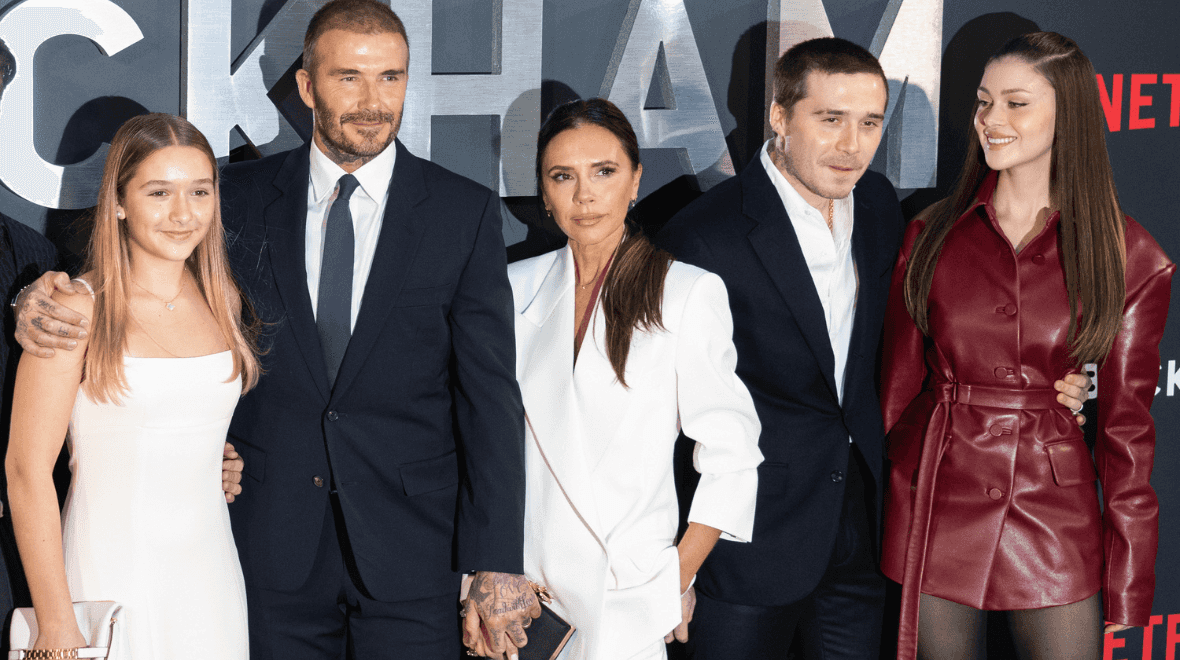
Harper Beckham makes a five mile journey to visit estranged brother Brooklyn
Harper Beckham was reportedly left heartbroken after travelling miles in an attempt to visit her older brother. Harper Beckham, daughter of David and Victoria Beckham, was reportedly left heartbroken after an attempt to visit her beloved brother Brooklyn last week. The teenager decided to make the impromptu visit to her older brother’s Los Angeles mansion […]
Celebrity
2 days ago
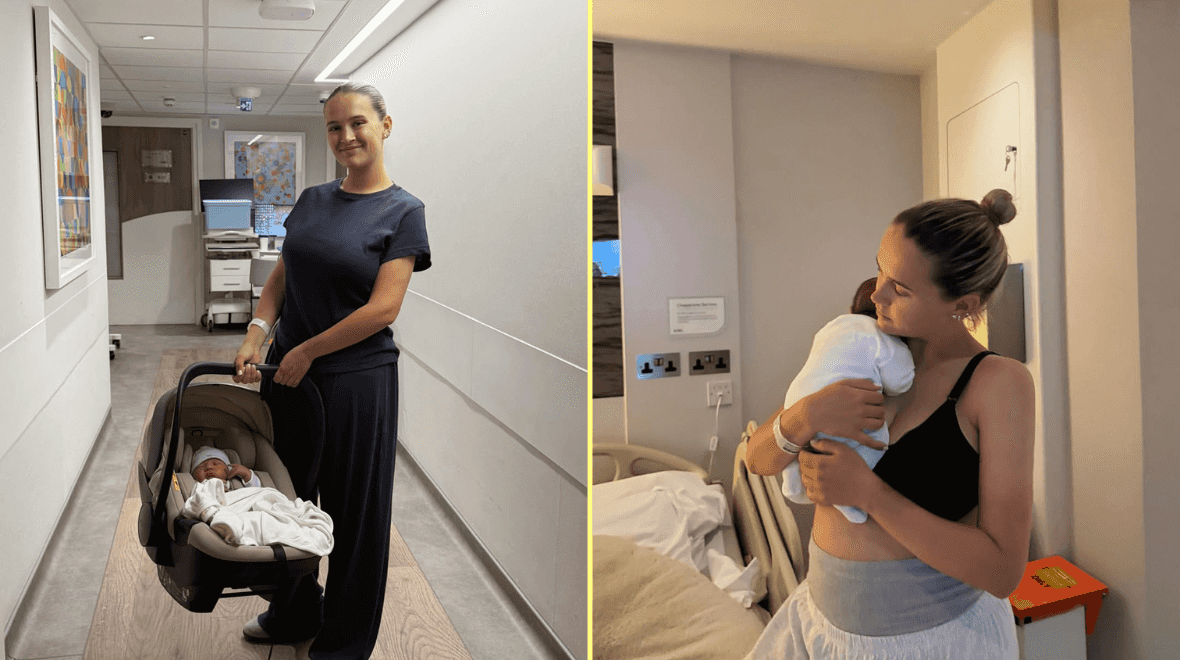
What’s the meaning behind Molly-Mae Hague’s baby name?
Molly-Mae and partner Tommy Fury welcomed their son, Midas, last week. Molly-Mae Hague and Tommy Fury have officially revealed their second child’s name. Following reactions from the couple’s firstborn child, Bambi, fans were eagerly anticipating the reveal of their son’s name. Molly-Mae has yet to confirm her son’s name on social media, but partner Tommy […]
Celebrity
3 days ago
‘That really upset me’ – Vogue Williams speaks out about the harm of divorce speculation
Celebrity